Unlock Your Potential: 7 Tips to Increase Typing Speed
Learn 7 essential tips, from mastering touch typing to practicing with purpose, to break your speed limits and boost your WPM.
Read MoreLet's be honest: traditional typing drills can be monotonous. While structured lessons are essential for building a solid foundation, there often comes a point where practice feels more like a chore than a challenge. This is where motivation wanes and progress stalls. But what if you could sharpen your skills while racing cars, defending a spaceship, or stopping a downpour of words?
This is the power of gamification. Typing games are not just a fun distraction; they are highly effective training tools that leverage core principles of psychology and learning science to make your practice more engaging, more consistent, and ultimately, more successful.
Games are masterfully designed to capture and hold our attention. They work because they tap into the brain's natural reward and motivation systems.
Not all games are created equal. Different formats are designed to hone specific aspects of your typing ability. By playing a variety of games, you can develop a well-rounded skill set.
These games create a sense of urgency, forcing you to type quickly and react without hesitation. They are perfect for pushing your WPM past its current limits.
Our game, Word Fall, is a classic example. As words cascade down the screen, you are forced to identify your target and type it before it hits the bottom. This trains you to read, process, and type in rapid succession, building the raw speed needed for high-pressure situations.
Some games make accuracy a do-or-die requirement. You must type the word or phrase perfectly to succeed, which is an excellent way to train precision when the stakes are high.
In Typing Shooter, enemy words advance on your position. A single mistyped letter can mean the difference between destroying the enemy and taking damage. This format is brilliant for reinforcing the "accuracy first" mindset, as frantic, error-filled typing leads to quick failure.
Typing fast for 30 seconds is one thing, but maintaining that pace over a longer period requires stamina. Racing games are ideal for building this skill.
Our Typing Race pits you against AI opponents in a race to the finish line. To win, you can't just type in short bursts; you must maintain a steady, consistent rhythm throughout the entire paragraph. This builds typing endurance and trains you to find a sustainable pace that balances speed and accuracy.
While games are excellent for motivation and building speed under pressure, they shouldn't replace structured practice entirely. Use games for 70% of your practice time and dedicated technique practice for the remaining 30%. This ensures you're building good habits while maintaining enthusiasm.
It's tempting to type as fast as possible to win games, but this can reinforce bad habits. During your first few sessions with any new game, prioritize 100% accuracy over speed. Once you can maintain accuracy consistently, then gradually increase your pace.
Each game type develops different skills. Survival games build speed under pressure, racing games improve consistency, and adventure games enhance vocabulary. Rotate between different game styles to develop well-rounded typing abilities.
Most quality typing games include statistics tracking. Pay attention to your WPM, accuracy percentages, and error patterns. Use this data to identify weaknesses you can address in your structured practice sessions.
Typing games work because they leverage several key learning principles:
Incorporate typing games into your daily practice by starting each session with 5-10 minutes of gaming as a warm-up. This gets your fingers moving and your mind engaged before moving to more focused practice. End your sessions with another 5-10 minutes of gaming as a reward for your hard work.
Remember that consistency matters more than duration. Fifteen minutes of daily gaming practice will yield better results than two hours once a week. The regular reinforcement builds stronger neural pathways.
Ready to level up your typing skills? Explore our collection of typing games designed to make practice fun while building real-world speed and accuracy.

Learn 7 essential tips, from mastering touch typing to practicing with purpose, to break your speed limits and boost your WPM.
Read More
Stuck at a typing plateau? These five targeted exercises focus on accuracy, rhythm, and difficult key combinations to help you achieve elite typing speeds.
Read More
Learn how to set up your workspace and adopt healthy habits to prevent strain and type comfortably for years to come.
Read More
We break down the pros and cons of the two most popular types to help you choose the perfect fit for your typing style.
Read More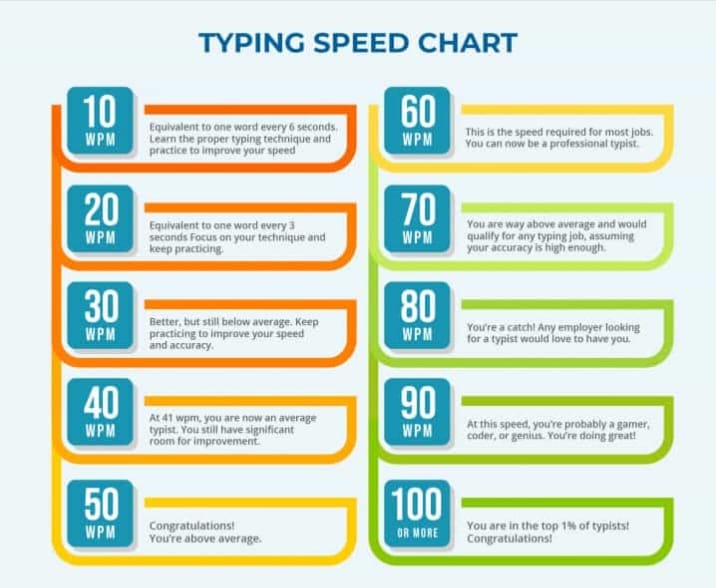
Are bad habits slowing you down? Learn to identify and fix 5 common typing mistakes, from poor posture to sacrificing accuracy for speed.
Read More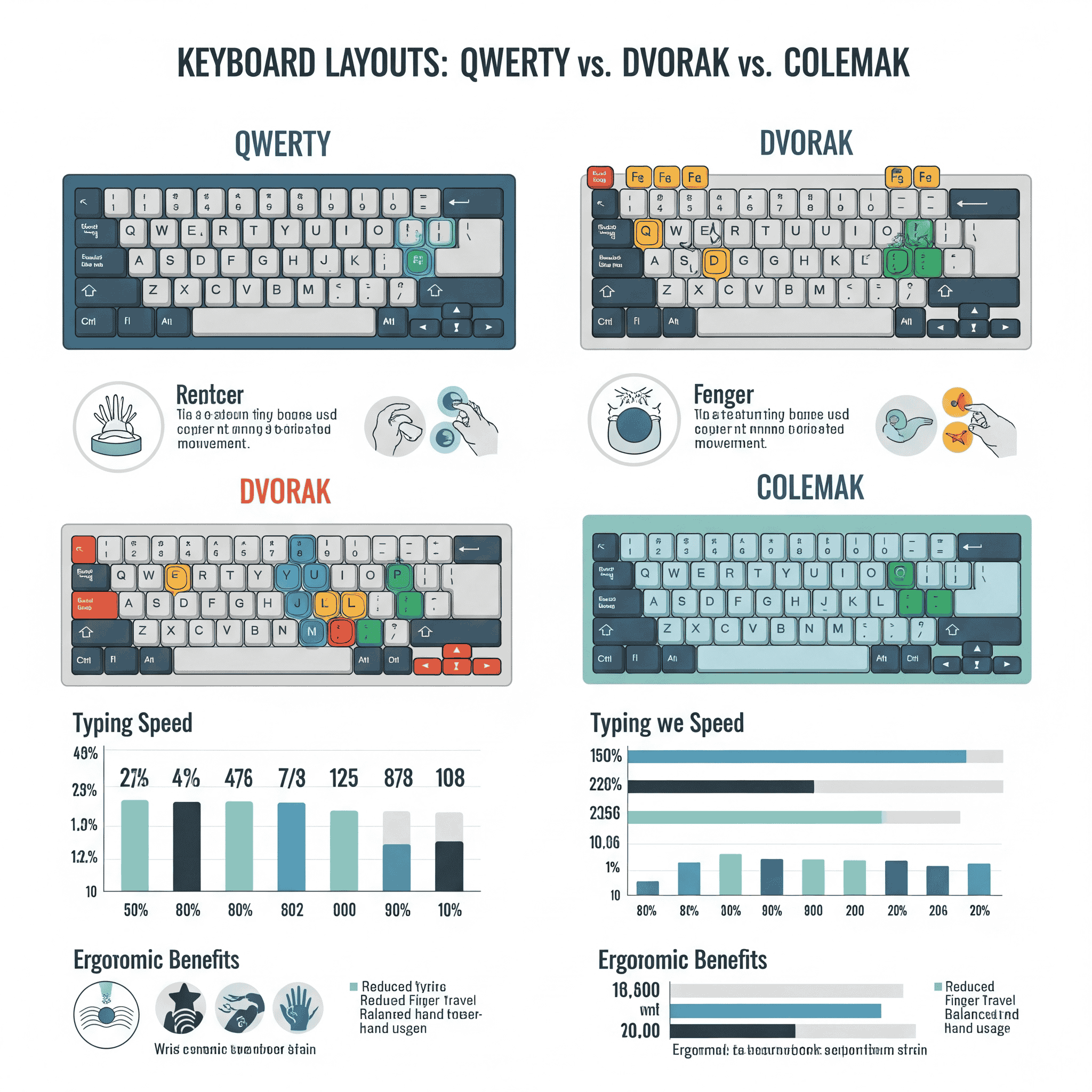
An in-depth look at the Dvorak and Colemak keyboard layouts. Discover if switching from QWERTY could boost your typing speed.
Read More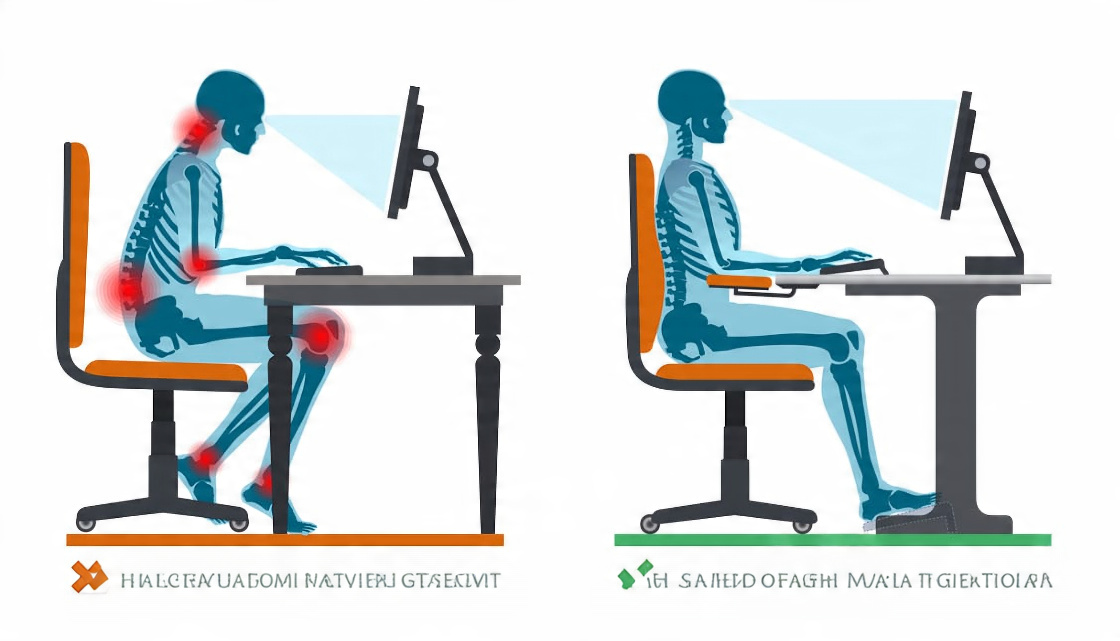
Feeling wrist pain? Learn about the different types of ergonomic keyboards and how they can improve your comfort and typing health.
Read More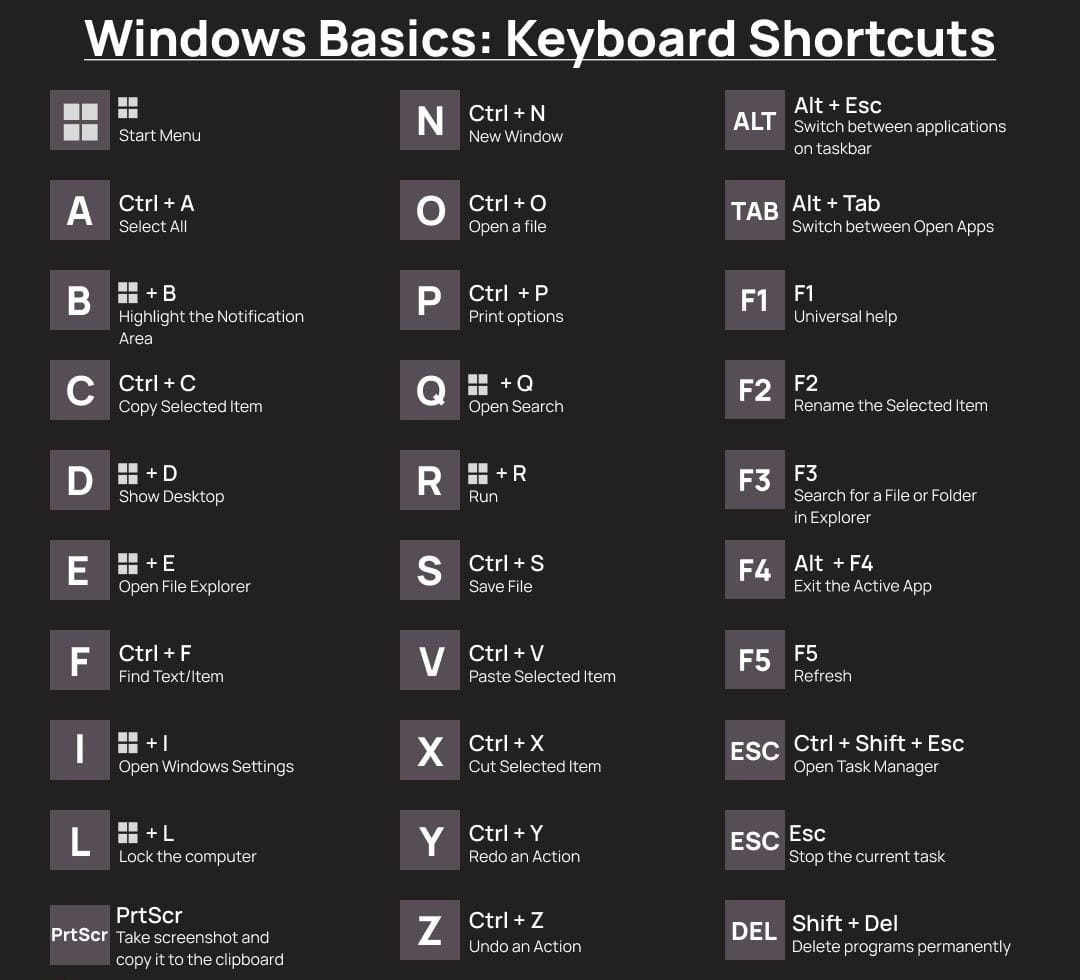
Work smarter, not harder. Learn 15 essential keyboard shortcuts for text editing, navigation, and browser control that will save you time.
Read More